Top 5 Things to Update in an Old Home Renovation
March 19, 2026If you’re planning changes to your home, you’ve likely heard the terms “renovation” and “remodel” used often. Many people use them the same way, but they are not the same. Understanding the difference between a remodel vs renovation can help you plan better, budget smarter, and get the results you want.
Both options fall under home improvement projects, but they serve different purposes. One focuses on updating what already exists. The other changes how a space works. Knowing which one you need will save time, money, and stress.
What Qualifies as a Renovation?
A renovation involves improving or restoring an existing space without changing its main structure. It focuses on making a home look newer, cleaner, and more functional while keeping the original layout.
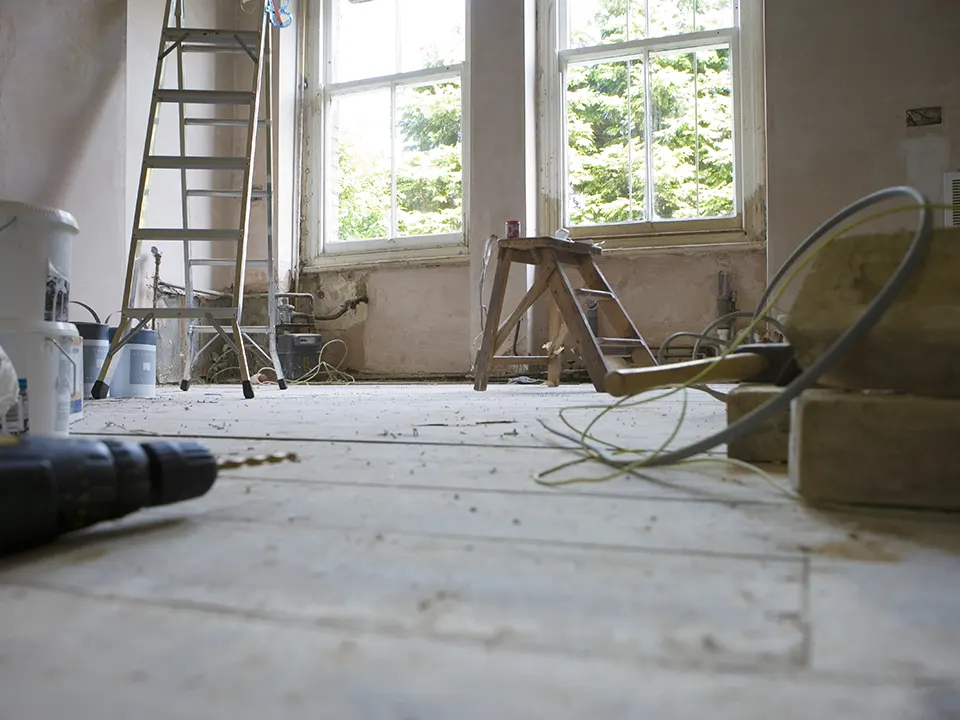
This type of work is common in older homes. It helps bring spaces up to modern standards without major construction. Renovation focuses on updates that improve comfort and appearance.
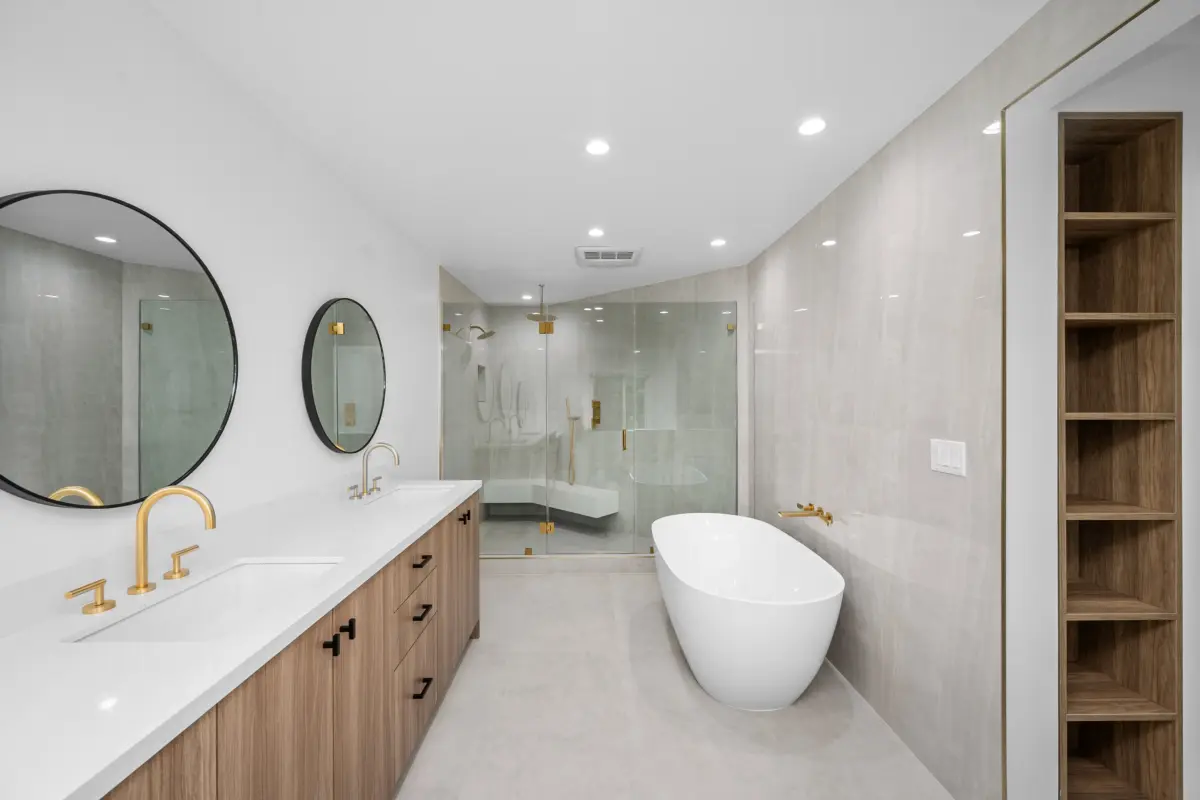
Common renovation projects include updating fixtures, repainting walls, replacing flooring, and upgrading kitchens or bathrooms without moving walls. For example, swapping out cabinets, installing new countertops, or updating lighting are all part of a renovation project.
These updates can have a strong return on investment. According to Canadian housing data, smaller renovation projects like kitchen and bathroom updates often deliver a higher ROI compared to more complex builds. Bathroom remodels, even when limited to upgrades, can recover up to 60–75% of their cost depending on the market.
Renovations are often quicker and less disruptive. They also tend to have a lower renovation cost compared to larger structural changes.
What Qualifies as a Remodel?
A remodel goes further. Home remodelling involves changing the structure, layout, or purpose of a space. This can include moving walls, altering the floor plan, or converting one type of room into another.
Home remodels are more complex. They often require permits, inspections, and careful planning to meet local building codes. These projects may involve electrical, plumbing, or structural changes.
Examples of remodeling projects include removing walls to create an open concept layout, expanding a kitchen, or turning a basement into a separate living space. Large scale remodels can also involve adding square footage or reworking entire sections of a home.
Because of the complexity, remodels usually cost more and take longer. However, they can transform how a home functions. In many cases, they also improve long-term usability and value.
Key Differences Between Renovation and Remodel
The difference between a remodel vs renovation comes down to scope and purpose. Renovation involves updating existing features. Remodel involves changing structure and layout.
Here are the main differences:
- Scope of work: Renovation focuses on surface updates, while remodeling involves structural changes.
- Cost: Renovation cost is usually lower. Remodels require more labour and materials.
- Timeline: Renovations are faster. Remodels take longer due to planning and construction.
- Permits: Renovations may not always require permits. Remodels often do due to structural work.
- Impact: Renovations improve appearance. Remodels change how the space functions.
Understanding these differences helps you choose the right type of project for your goals.
Renovation vs Remodel: Which Option Has a Higher ROI?
Return on investment, or ROI, is a major factor for homeowners. Not all projects offer the same value. In general, smaller renovations tend to have a higher ROI because they cost less and still improve the home’s appeal.
Projects like kitchen updates, bathroom remodels, and fresh paint can significantly improve how a home looks. These updates also improve buyer interest if you plan to sell.
Remodels can still deliver strong value, especially when they improve functionality. For example, creating an open concept layout or adding a second bathroom can make a home more attractive to buyers. However, the higher cost means it may take longer to recover the investment.
The key is to balance cost with long-term benefits. If a remodel improves how you live in the home, it may be worth the extra investment even if the ROI is lower in the short term.

Choosing the Right Approach for Your Home
Deciding between a renovation and a home remodel depends on your goals. If your home feels outdated but still works well, a renovation may be enough. Updating finishes and fixtures can refresh the space without major changes.
If your layout no longer fits your needs, a remodel may be the better choice. For example, older homes often have smaller rooms and closed-off kitchens. A remodel can create an open concept and improve flow between living areas.
Think about how long you plan to stay in your home. Short-term owners may focus on projects with a higher ROI. Long-term homeowners may choose larger remodeling projects that improve comfort and daily life.
What is the Role of Professional Renovation and Remodelling Contractors?
No matter which option you choose, working with professional contractors is important. They understand local building codes, safety standards, and proper construction methods. This ensures your project is done correctly and avoids costly mistakes.
Professional contractors can also help you plan your project. They can recommend materials, estimate timelines, and guide you through permits if needed. Their experience is especially valuable for remodels, where structural changes must be handled carefully.
Good communication is key. A clear plan, detailed estimate, and written contract help keep your project on track.
Budgeting and Planning Ahead is Key for Renovations and Remodelling
Planning your budget is essential for both renovations and remodels. Start by setting clear goals. Decide what you want to change and why. This helps you avoid unnecessary spending.
Always include a contingency fund. Many experts recommend setting aside 10–15% of your budget for unexpected issues. This is especially important for older homes, where hidden problems can appear during construction.
It’s also helpful to plan your project during the right time of the year. Some renovations are easier in warmer months, especially if they involve exterior work or major structural changes.
Renovation or Remodel: What Makes the Most Sense for You?
There is a clear difference between a remodel vs renovation, and understanding the pros and cons of each will help you make the better decision for your home. In short, a renovation focuses on improving aspects of your property that you already have whereas a remodel changes how your home works and feels.
Both options offer value. The right choice depends on your budget, timeline, and long-term goals. With careful planning and the right team, you can create a space that fits your lifestyle and which adds to a property’s potential resale value.
If you’re considering a renovation or remodel and want expert guidance from experienced professionals, contact us to explore the merits of both options for your unique property and lifestyle needs. Reach out to Valleywide Custom Builders today for a no-pressure consultation.